
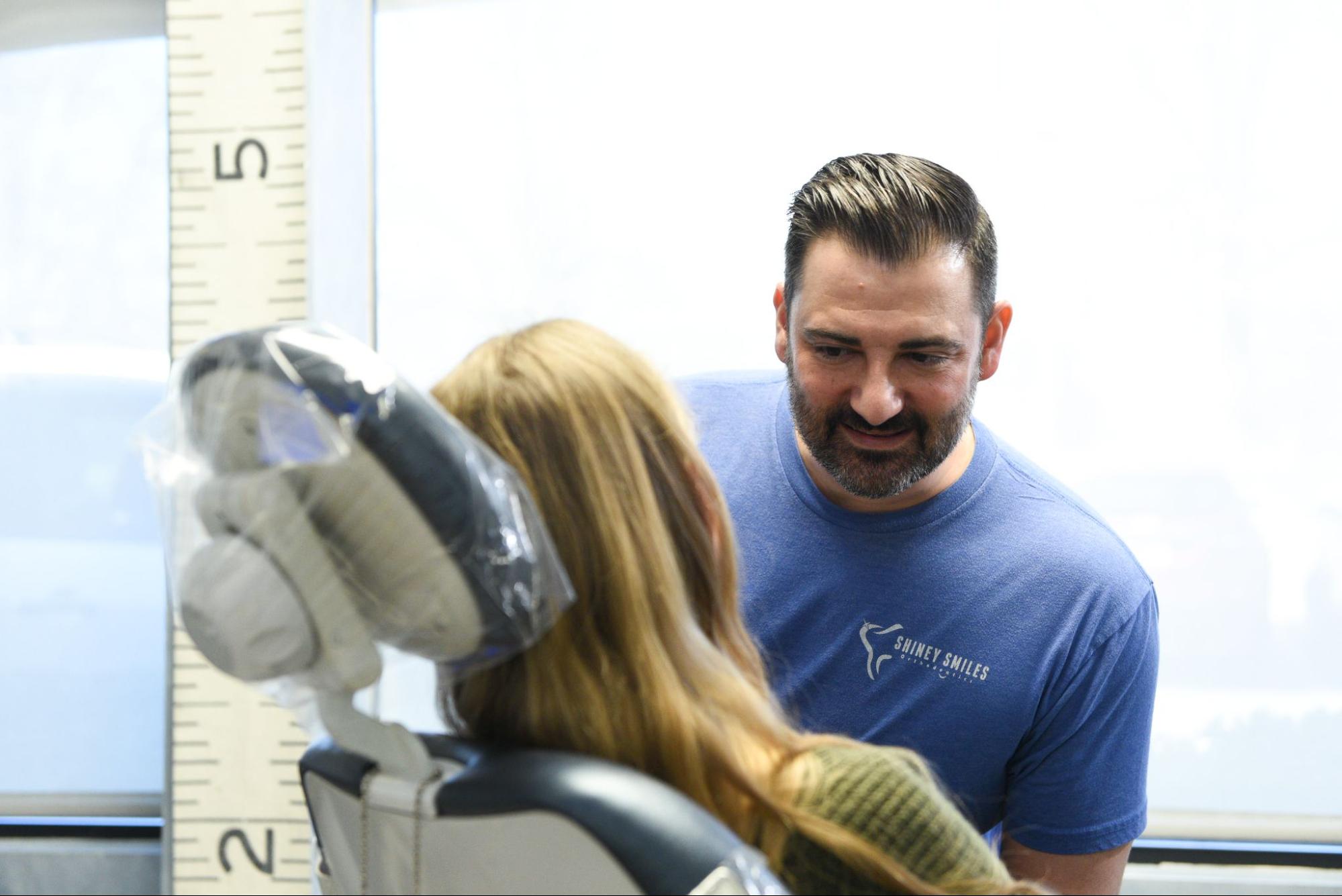
Taking that first step toward orthodontic treatment is a big moment, for parents as much as for kids. If you have just booked your child’s first appointment with Dr. Sheinis at Shiney Smiles Orthodontics, here is what happens next and how to make the whole thing easy on everyone.
The short answer. Bring your insurance details and any recent dental records. The visit takes about an hour, involves an examination and digital images, and is completely painless. Your child will not get braces put on unless you decide together that it is the right move. Talk it up beforehand, keep it light, and it usually goes better than parents expect.
When Should a Child First See an Orthodontist?
The American Association of Orthodontists recommends a first orthodontic evaluation by age seven. That surprises a lot of parents, since most children still have plenty of baby teeth at that point.
That is exactly why the timing works. By seven, enough permanent teeth have come through and enough jaw growth has happened for an orthodontist to spot problems developing, while there is still growth left to work with. Some issues that need surgery in an adult can be guided with a simple appliance in a seven year old.
An early visit does not mean early braces. Most of the time it means we take a look, tell you everything is on track, and check again in a year or two. Our post on why age seven matters goes deeper on this.
Signs Your Child May Need Orthodontic Care
Every smile tells its own story, and certain things are worth getting looked at whatever your child’s age.
- Difficulty biting or chewing food
- Noticeably crooked or crowded teeth
- Gaps between teeth that seem unusually wide
- A jaw that clicks or shifts to one side
- Frequent biting of the cheek or the roof of the mouth
- Baby teeth lost early, or permanent teeth slow to arrive
- Thumb sucking that carries on past age five
- Mouth breathing or persistent snoring
Knowing these puts you in a better position to advocate for your child. Catching something early usually means simpler treatment and a better result, because you are working with your child’s growth rather than against it. Left until the permanent teeth are fully in, the same issue often needs a more involved fix.
What to Expect at the First Visit
We have built our first appointments to be thorough without being intimidating. Plan on roughly an hour.
Examination
Dr. Sheinis examines your child’s teeth, jaw and bite. We take digital images to get the full picture, including what is happening below the gumline with permanent teeth that have not come through yet. It is gentle and completely painless, which is the thing most parents are relieved to hear.
The digital scanner replaces the old putty impressions entirely. No goop, no gagging, which makes a real difference with a nervous child.
Treatment Discussion
You get a plain explanation of anything we found and what the treatment options look like. This is where you ask questions, and no question is too small. Plenty of parents want to know how long, how visible, and how much it will disrupt school and sport. All fair.
If nothing needs doing yet, we will say so and set a check-in for down the road.
Insurance and Payment
We go through your insurance coverage and the payment approaches available so you leave knowing where you stand. Bring your insurance card and we will verify your benefits while you are here. Our post on orthodontic financing covers the options in more detail.
Starting the Same Day
If treatment makes sense and you are ready, your child can often begin the same day rather than coming back for a second appointment. It is optional, never assumed, and entirely your call. But for families juggling school runs and work, saving a trip matters.

Making the Visit Easy on Your Child
The best preparation is the kind that takes the mystery out of it.
Talk to your child beforehand and keep it light. Explain that someone is going to look at their teeth and take some pictures, and that nothing will hurt. Focus on the good part, which is a smile they will feel great about. Your attitude sets the tone more than anything you actually say, so stay relaxed about it.
Avoid words like pain, needle, drill or hurt, even in reassurance. Children latch onto them regardless of the sentence around them.
Let them bring something familiar. Headphones, a book, a small comfort object. Nobody minds.
Planning something afterward helps too. A trip to the park or a soft-serve on the way home builds a positive association with the whole thing and gives them something to aim at.
If Treatment Starts
Getting used to braces is a bit like breaking in new shoes. The first week takes some adjusting and then it stops being a thing at all. A little preparation at home smooths it considerably.
Worth having in:
- Soft foods like yogurt, smoothies, scrambled eggs and pasta
- Cold treats, which genuinely help with the initial tenderness
- Orthodontic wax, and ask us which type suits your child
- A soft-bristled toothbrush and floss threaders
- Their favourite films or games for an easy evening or two
Any early discomfort is temporary and mild. Most children settle within a few days and stop noticing their braces entirely within a couple of weeks. Our guide to life with braces covers the daily routine, and there is a rundown of foods to steer clear of worth reading together before the first meal.
Frequently Asked Questions
At what age should my child first see an orthodontist?
By age seven, according to the American Association of Orthodontists. Enough permanent teeth have come in by then for problems to be visible, while there is still growth left to guide. Most seven year olds who come in do not need treatment yet, and that is a useful thing to know either way.
Will my child get braces at the first appointment?
Only if treatment is needed and you decide together that you want to go ahead. Same-day starts are available for families who prefer not to make a second trip, but nothing happens without your say-so. Many first visits end with a plan to check back in a year.
How long does the first orthodontic visit take?
Around an hour. That covers the examination, digital images, a discussion of what we found, and time to go through insurance and payment options without anybody feeling rushed.
What should I bring to my child’s first orthodontic appointment?
Your insurance card, any recent dental records or x-rays from your general dentist, and a list of questions. If your dentist referred you, bring the referral. See our post on what to bring to your first appointment for the full list.
Does the first orthodontic visit hurt?
No. It is an examination and some digital images. Nothing is drilled, pulled or injected. The digital scanner has replaced the putty impressions that older siblings might warn them about.
My child is nervous. What can I do?
Keep the conversation light and matter-of-fact, and avoid words like pain or needle even when reassuring them. Let them bring headphones or something familiar. Plan a small treat afterward. Most nerves come from not knowing what will happen, so describing it plainly usually settles things.
What if my child is older than seven, have we missed the window?
Not at all. Seven is when an evaluation becomes useful, not a deadline. Teenagers and adults get excellent results every day. Different ages simply open up different approaches.
Schedule Your Child’s First Visit
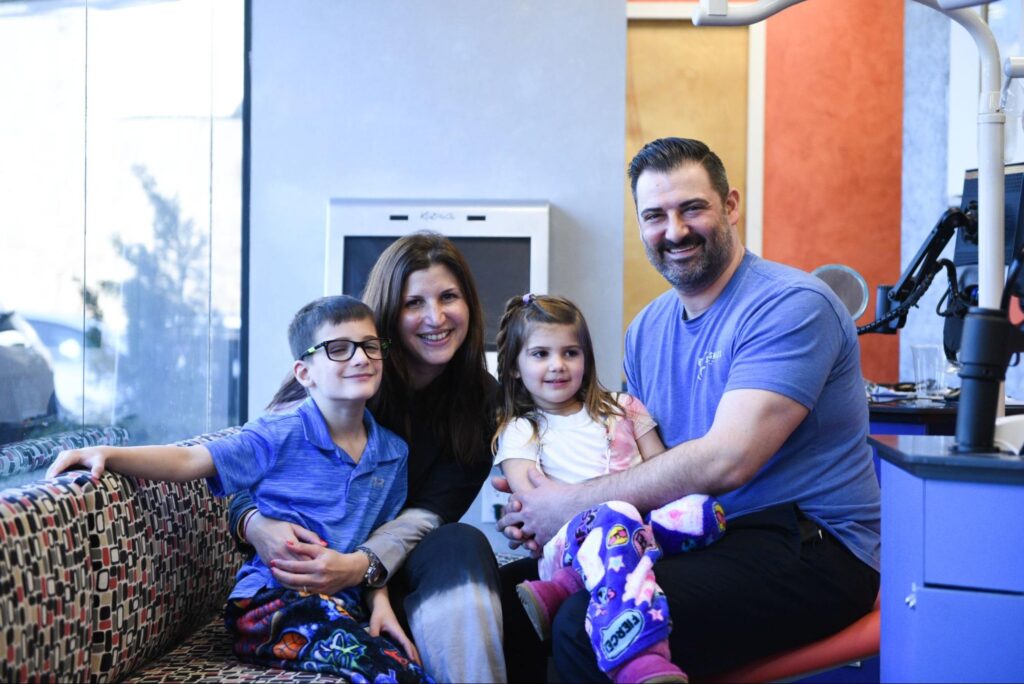
That first step should be a stress-free one, and that is what we aim for every time. Dr. Sheinis keeps things comfortable and judgment-free, so your child leaves feeling good about the whole thing rather than relieved it is over.
We look after families across Huntington, Woodbury, Syosset, Plainview and the surrounding communities. Schedule your free consultation and let’s get started.